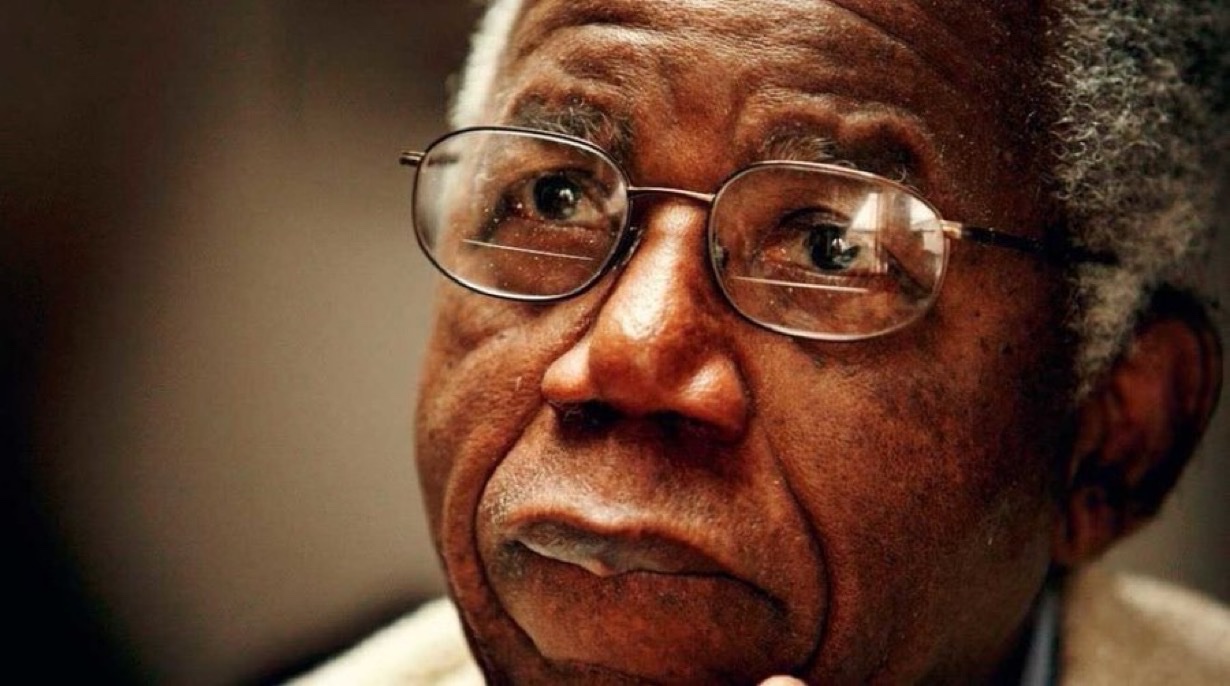
In a thought-provoking reflection shared by Nigerian Stories on their official X handle, they echoed a profound statement by one of Africa’s literary giants, Chinua Achebe. The post, steeped in cultural and social commentary, reads:
“When a rich man is sick, a poor man will pay him a visit to say sorry and wish him a speedy recovery. When a poor man is sick, he waits to recover, then goes to tell that rich man that he has been sick.”
Achebe’s words reveal the stark reality of class dynamics in human relationships. It highlights how the burden of illness is not just physical but also deeply intertwined with the socioeconomic status of individuals. The rich are surrounded by concern and empathy, while the poor often suffer in silence, their struggles invisible until they can muster the strength to share them.
This timeless quote resonates with the imbalance in the way society navigates power and compassion. Achebe, known for his deep understanding of African cultures and their intricacies, offers a mirror to how wealth influences the human experience—even in moments of vulnerability.
Through Nigerian Stories’ platform, Achebe’s reflection reminds us that wealth does not merely shape material well-being but also dictates how empathy is distributed across social lines. In many societies, the poor often find themselves in a position where they must navigate their challenges alone, with no one extending the same level of care they might offer to the wealthy. It’s a subtle yet powerful observation on the human condition.
By bringing this to the fore, Nigerian Stories continues its tradition of sharing narratives that spark deep thinking and encourage conversations on the social fabric that binds—or in this case, divides—us. As Achebe masterfully pointed out, the disparity in empathy between the rich and the poor remains one of society’s most poignant dilemmas.
The question lingers: How do we bridge this gap, ensuring that empathy and care transcend social and economic boundaries?
 PIONEER NEWS