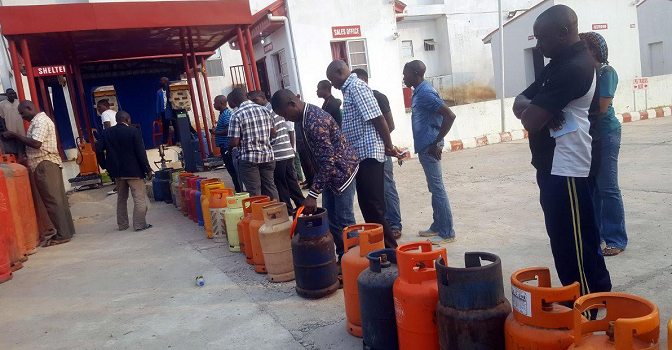
As Nigerians grapple with the relentless rise in fuel prices, the cost of Liquefied Petroleum Gas (LPG), commonly known as cooking gas, has surged dramatically, further compounding the financial strain on households.
In a recent announcement on its official X handle, The Punch newspaper highlighted that the price of cooking gas has now skyrocketed to N1,500 per kilogram, intensifying the cost-of-living crisis that millions of Nigerians are already battling due to the exorbitant cost of petrol.
This new development has sent shockwaves through the public, as LPG is a staple energy source for millions of households, small businesses, and eateries across the nation. For many families, the sharp increase in gas prices means adjusting already stretched budgets or even resorting to alternative, less efficient cooking methods like firewood, which poses environmental and health risks.
The ongoing price hikes in essential commodities like petrol and cooking gas are not only deepening the financial hardship for Nigerians but are also threatening the stability of small and medium-sized enterprises (SMEs), which rely heavily on these energy sources for daily operations. The increasing cost of doing business may lead to widespread closures, job losses, and further economic challenges.
As Nigerians await government interventions, calls for swift action are growing louder, with stakeholders urging the government to address the root causes of the skyrocketing fuel prices and implement relief measures to cushion the impact on citizens.
The question on many minds now is—how long can Nigerians continue to bear the brunt of these escalating costs before reaching a breaking point?
 PIONEER NEWS