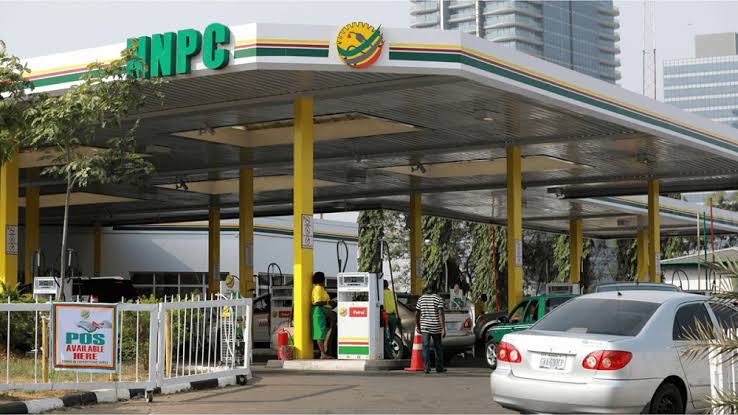
In a shocking turn of events, Nigerian Stories has taken to its official X (formerly Twitter) handle to break the news that fuel prices have soared to an unprecedented ₦1,030 per litre at NNPC filling stations across the country. This sudden spike has sent shockwaves through the nation, leaving millions of Nigerians scrambling to adjust to the reality of yet another burden on their already strained finances.
The price hike, announced without prior warning, has thrown both commuters and businesses into disarray, with many fearing the inevitable ripple effects across various sectors of the economy. The astronomical rise in fuel costs is expected to lead to higher transportation fares, increased cost of goods and services, and further inflationary pressures that could exacerbate the already dire economic situation faced by many Nigerians.
Social media has erupted with reactions to this bombshell, with citizens expressing outrage and frustration over the government’s handling of the fuel situation. Many are questioning the rationale behind the continuous price increases, especially after recent assurances that the government was working to stabilize the energy sector and alleviate the hardships caused by the removal of fuel subsidies earlier this year.
The National Petroleum Corporation (NNPC) has yet to issue an official statement explaining the sudden price adjustment, leaving Nigerians in the dark about the reasons behind the drastic increase. However, speculation is rife that global oil prices, supply chain disruptions, and exchange rate volatility may have contributed to the sharp rise.
As the news continues to spread, civil society groups, labour unions, and opposition parties are gearing up for protests and strikes, demanding immediate government intervention. The question on everyone’s mind remains—how much longer can Nigerians endure the relentless rise in fuel prices without a comprehensive strategy from the government to address the root causes?
This latest development comes at a time when the average Nigerian is grappling with high inflation, reduced purchasing power, and economic uncertainty. The price of fuel, long seen as the lifeblood of the nation’s economy, has now become a symbol of the growing disconnect between the people and the policies shaping their lives.
As tensions rise, the nation waits anxiously for a response from the government, hoping for relief in what has become an all-too-familiar cycle of hardship.
 PIONEER NEWS