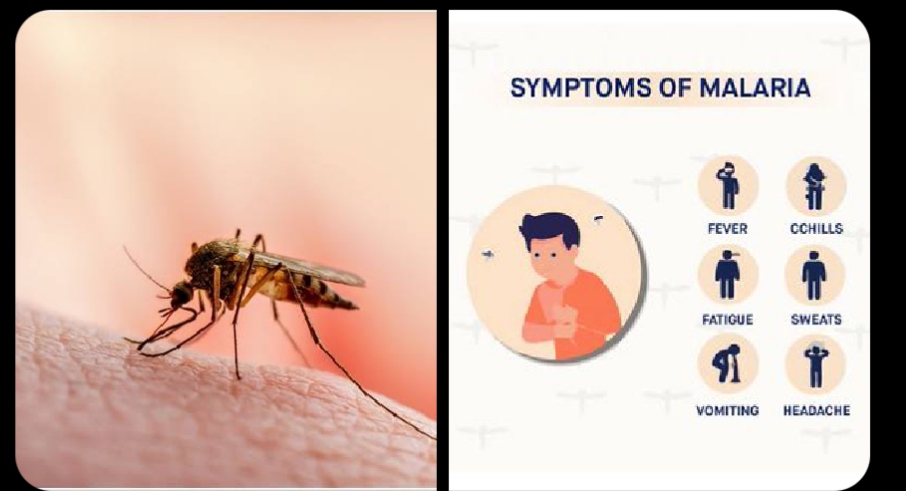
In a bold move to strengthen public health measures and curb the rising threat of drug-resistant malaria, the Federal Government of Nigeria has officially banned the use of monotherapy drugs for malaria treatment. The announcement was made via the Nigerian Stories platform on X (formerly Twitter), stating that drugs such as Artesunate, Artemether injection, Chloroquine, and Sulfadoxine/Pyrimethamine (SP) are no longer approved for treating the disease.
The decision comes as part of the government’s strategic response to address the growing challenge of malaria resistance to single-drug therapies. Health experts have long raised concerns over the improper use of monotherapies, which can weaken their efficacy and lead to resistant strains of malaria parasites.
The Nigerian Ministry of Health, in collaboration with the National Agency for Food and Drug Administration and Control (NAFDAC) and other relevant stakeholders, is now advocating for combination therapy as the standard treatment. Artemisinin-based combination therapies (ACTs) are being promoted as the most effective solution to treat malaria and prevent the development of drug resistance.
By implementing this ban, the Federal Government aims to protect the effectiveness of malaria treatments and safeguard millions of lives, particularly in regions where the disease is most prevalent. The ban signals a significant shift in national malaria control policies, aligning with global health recommendations from the World Health Organization (WHO), which has urged countries to discontinue the use of monotherapies in favor of combination treatments.
This move marks a new chapter in Nigeria’s fight against malaria—a disease that continues to be one of the leading causes of morbidity and mortality in the country. It is a decisive step toward achieving the national goal of malaria elimination and ensuring the health and safety of the Nigerian populace.
 PIONEER NEWS