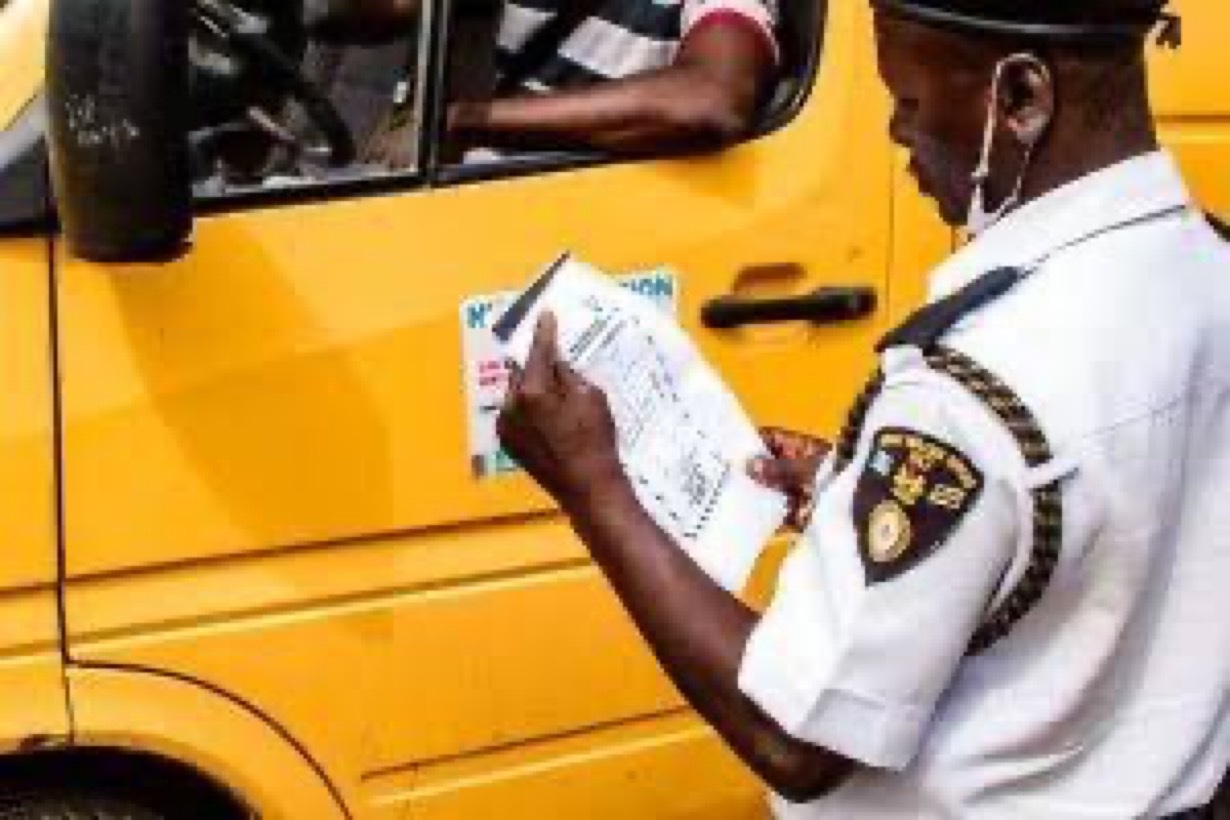
In a groundbreaking judgment, the Federal High Court in Abuja has issued a decisive ruling that strips the Vehicle Inspection Office (VIO) of certain powers, reshaping how traffic enforcement will be conducted across the nation. Nigerian Stories, through its official X handle, broke the news, highlighting the significant implications for road users and the VIO’s enforcement practices.
According to the court’s ruling, the VIO has been prohibited from stopping vehicles on the road, seizing or impounding vehicles, and imposing fines on drivers. This decision marks a major victory for motorists who have long complained about the overreach and arbitrary actions of the VIO, including unlawful vehicle seizures and hefty fines that many drivers have described as oppressive.
The ruling is expected to send shockwaves through traffic enforcement agencies, as it effectively curtails the VIO’s authority, which has often been exercised without clear regulatory checks. Legal analysts have hailed the judgment as a triumph for civil liberties, emphasizing that no enforcement agency should operate above the law or infringe on the rights of citizens.
The court’s decision is seen as a response to growing concerns about the VIO’s role in traffic management. Many have criticized the agency for what they perceive as excessive control, with frequent roadblocks causing unnecessary delays and frustrations for drivers. The practice of stopping vehicles without probable cause, coupled with the ability to seize vehicles and levy fines on the spot, has been a source of contention for years.
As the ruling stands, the VIO must now find alternative means to enforce road safety and vehicle compliance without infringing on the rights of motorists. This judgment may lead to a restructuring of how vehicle inspections and traffic laws are enforced, opening the door to more transparent and technology-driven solutions that reduce direct interference with road users.
The Federal High Court’s decision is expected to have far-reaching consequences, with other traffic enforcement agencies closely watching the developments. For now, drivers across Nigeria can breathe a sigh of relief, as the days of impromptu vehicle seizures and roadside fines may finally be over.
Public reactions have been overwhelmingly positive, with many praising the judiciary for upholding the rights of citizens and setting a precedent for how enforcement agencies should operate within the confines of the law. However, some have raised concerns about the potential gaps in traffic law enforcement, urging authorities to develop new, fairer methods to ensure compliance while protecting motorists’ rights.
This landmark ruling may very well serve as a turning point in Nigeria’s road enforcement policies, reshaping the relationship between traffic authorities and road users for years to come.
 PIONEER NEWS