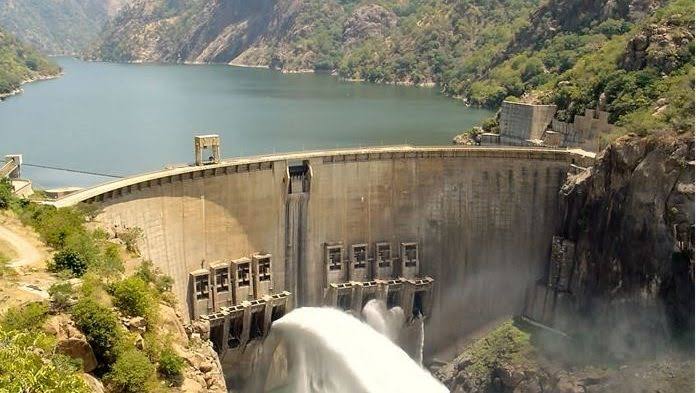
In a recent update, Nigerian Stories announced on its official X (formerly Twitter) handle that the Nigerian Hydrological Services Agency (NIHSA) has issued a crucial advisory regarding the imminent release of water from the Lagdo Dam in Cameroon. The agency has received official communication from the management of the Lagdo Dam, notifying them of a planned, controlled water discharge set to commence on September 17, 2024.
The dam management has confirmed that the water will be released at a regulated rate of 100 cubic meters per second (m³/s), which translates to a staggering 8.64 million cubic meters per day. This calculated release is part of the dam’s water management strategy, aimed at preventing overflow due to seasonal rainfall. However, such discharges historically carry significant implications for communities downstream, particularly in Nigeria’s riverine areas, where flooding has become a recurrent issue during the rainy season.
NIHSA has called on residents in flood-prone regions, especially along the River Benue basin, to remain vigilant and heed warnings from local authorities. The agency is collaborating closely with relevant emergency and disaster management bodies to monitor the situation and mitigate any adverse impacts on lives and properties.
While this controlled release is intended to be a precautionary measure, the potential risk of floods cannot be ruled out entirely. Nigeria has, in previous years, experienced devastating floods linked to similar releases from the Lagdo Dam, which submerged farmlands, displaced thousands, and caused considerable damage to infrastructure.
NIHSA urges the public to stay informed through official channels and to take proactive steps to protect themselves, emphasizing the importance of preparedness during this period. The Agency is expected to provide updates as the situation unfolds, ensuring that Nigerians are well-equipped to handle any arising emergencies.
This announcement underscores the need for robust, long-term solutions to mitigate the effects of transboundary water management, as well as the importance of sustained environmental and infrastructural planning in flood-prone areas.
 PIONEER NEWS