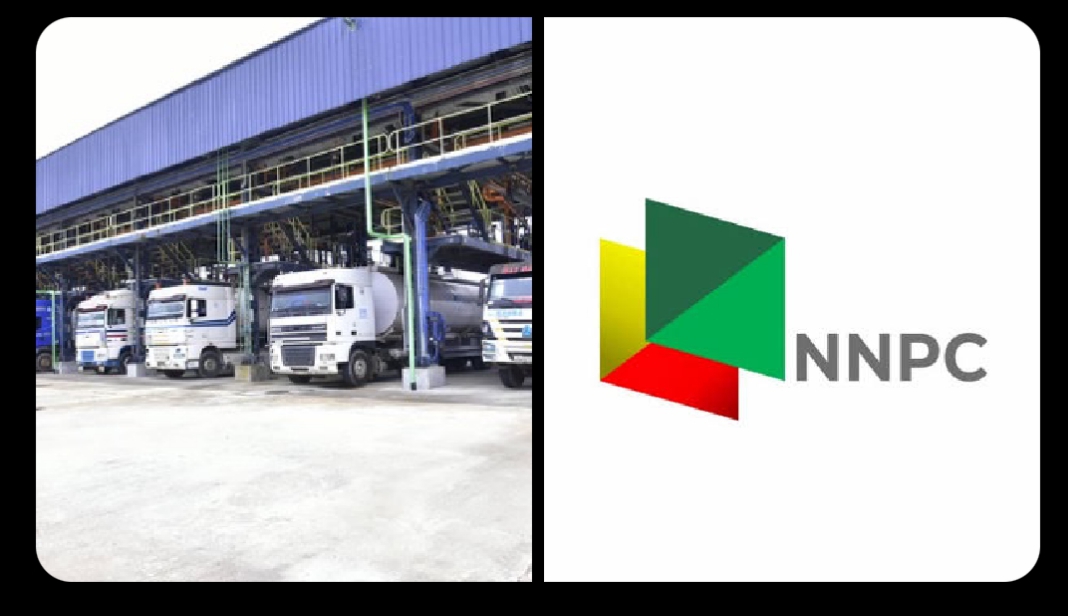
In a significant development that is bound to spark nationwide conversations, the Nigerian National Petroleum Company Limited (NNPCL) announced today that it has purchased fuel from the Dangote Refinery at a staggering N898 per litre. This revelation was made via a post on the official X (formerly Twitter) handle of Nigerian Stories, and has since sent shockwaves through the country’s energy and economic sectors.
The announcement, which was initially greeted with a mixture of disbelief and concern, raises several critical questions about the impact of this new pricing on the Nigerian economy, the refinery’s operations, and the daily lives of Nigerians.
With the purchase price of fuel soaring to N898 per litre, concerns are mounting about the ripple effects this will have on inflation, transportation costs, and the overall cost of living. The Nigerian populace, already grappling with economic hardship, may face even more financial strain should these prices translate to a nationwide fuel hike.
Moreover, the Dangote Refinery, hailed as a solution to Nigeria’s long-standing dependency on imported fuel, was expected to alleviate some of these issues by offering a more stable and cost-effective domestic supply. The current price tag, however, appears to challenge this expectation, leaving many wondering if the refinery will meet the lofty promises made prior to its commissioning.
The NNPC, in its brief statement, did not elaborate on the reasons behind the high cost per litre. It remains to be seen whether this pricing is temporary, possibly tied to global crude oil market fluctuations, or indicative of a more permanent shift in Nigeria’s fuel pricing landscape.
Industry experts have called on the NNPCL to provide further clarification to the public, as transparency will be key to mitigating potential backlash from this pricing revelation. If left unchecked, the pricing structure could spark protests or calls for government intervention, especially considering the essential role fuel plays in the everyday lives of Nigerians.
Nigerians on social media have not held back their opinions, with many expressing dismay at the steep price. Some have voiced concerns that the average citizen will be disproportionately affected, while others have taken a more cautious approach, hoping the Dangote Refinery will eventually bring down fuel costs in the long run.
The purchase of fuel at N898 per litre marks a turning point in Nigeria’s energy narrative, signaling either a bold new direction or an impending crisis. As the nation awaits further details from both NNPCL and Dangote Refinery, one thing is certain: the cost of fuel is more than just a number—it’s a reflection of the larger issues facing Nigeria’s economy and energy future.
The coming days will be crucial as stakeholders in the energy sector, including the government, refinery officials, and economic experts, navigate this challenging terrain and seek to address the concerns of millions of Nigerians.
 PIONEER NEWS