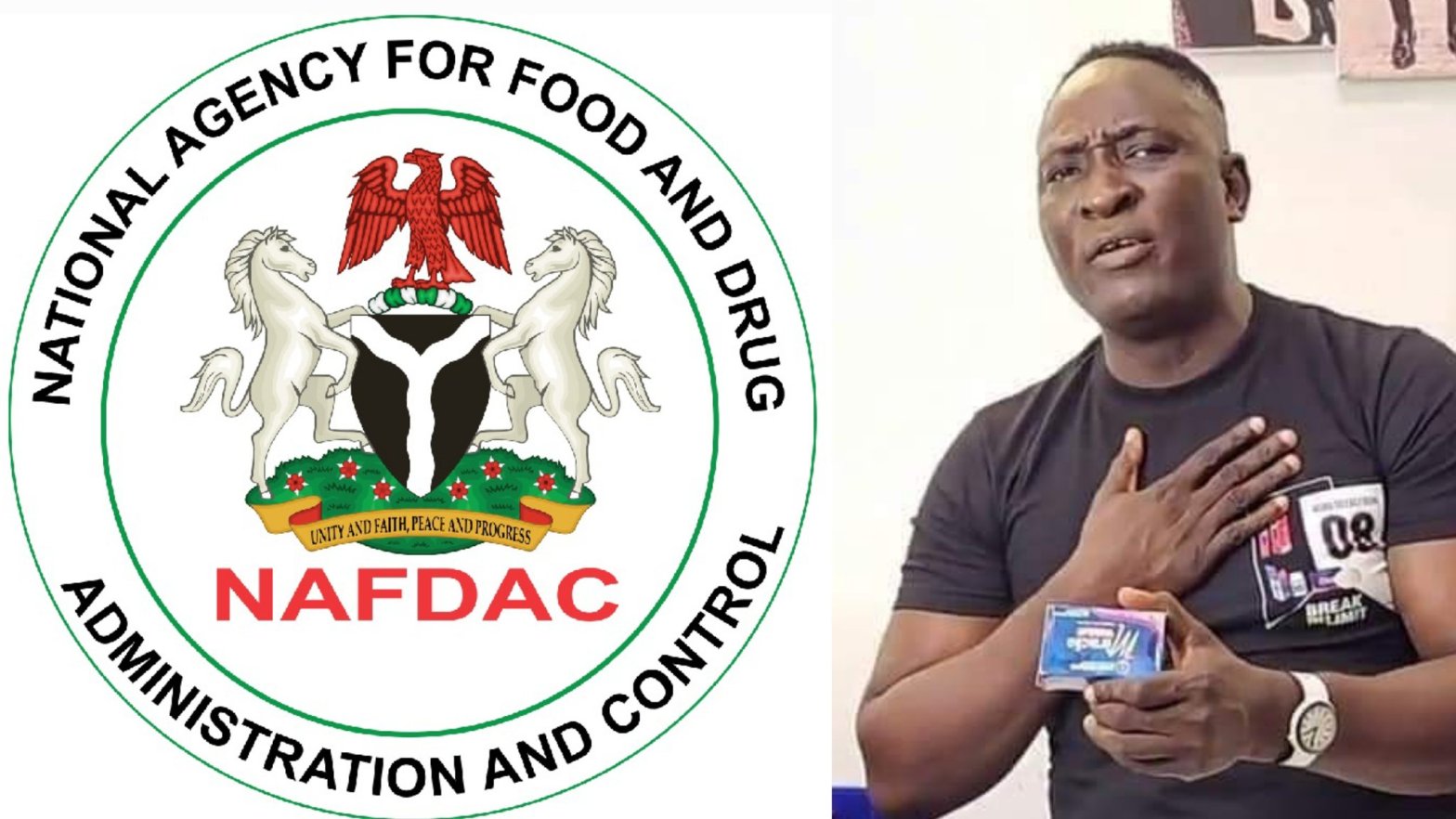
Prophet Jeremiah Fufeyin, a renowned Nigerian cleric and founder of Christ Mercyland Deliverance Ministry, has stirred conversations nationwide with a bold declaration regarding the regulation of spiritual products. Taking to Nigerian Stories’ official X (formerly Twitter) handle, Fufeyin asserted, “NAFDAC does not have the right to regulate spiritual products. There is a limit to what people can do, especially when it comes to matters of faith.”
The statement has sparked significant interest and debate, as it challenges the role of the National Agency for Food and Drug Administration and Control (NAFDAC) in overseeing products with religious or spiritual significance. Fufeyin’s stance is a bold one, emphasizing the delicate boundary between regulatory oversight and religious freedom in Nigeria.
At the center of this unfolding drama are Prophet Fufeyin’s spiritual products, which he claims possess divine powers to heal, deliver, and transform lives. These products, used by many of his followers for spiritual breakthroughs, have come under scrutiny as regulatory bodies raise concerns about their safety and efficacy.
However, Fufeyin’s defense of his spiritual offerings goes beyond mere legalities. According to the influential cleric, spiritual matters transcend conventional regulations. “There are mysteries in faith that cannot be confined by human institutions. What we offer here is not just a product—it is the manifestation of divine power,” Fufeyin said during a sermon, further reinforcing his message.
His comments have resonated with many, particularly among his followers, who believe that spiritual products should not be subjected to the same regulatory standards as consumer goods. Some have even argued that NAFDAC’s involvement in spiritual matters could infringe on religious rights and the freedom to practice one’s faith.
On the other hand, critics have raised concerns about the potential dangers of unregulated spiritual products, urging for some form of oversight to protect public health. The debate raises important questions about the balance between safeguarding citizens and respecting religious practices.
As the conversation heats up, Prophet Fufeyin remains steadfast in his position, maintaining that faith-based products should be governed by spiritual, not regulatory, principles. This stance has positioned him at the center of a broader national discourse on the intersection of faith, commerce, and governance in Nigeria.
 PIONEER NEWS