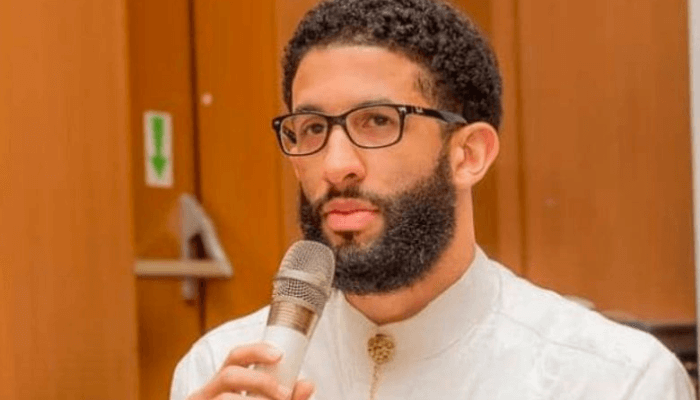
In a revelation that has stirred political circles, Premium Times reported on its official X handle that President Bola Tinubu and his inner circle are disappointed with the performance of Mr. Ajuri Ngelale, the Presidential Spokesperson. Insiders within the presidency disclosed that despite expectations for a more robust and proactive performance, Ngelale has been notably absent and out of touch with both the media and the inner workings of the presidency.
“Except for his occasional TV appearances, Mr. Ngelale has been largely unreachable, even to journalists,” an unnamed presidential official told Premium Times. “He hardly responds to messages or returns calls, making him isolated, even from those who initially brought him into the fold.”
The statement underscores a growing sense of disconnect between the presidential spokesperson and the administration he represents. It is reported that Ngelale has struggled to maintain vital communication channels, and his apparent lack of access to President Tinubu has only exacerbated the issue. “He has no access to the President,” another insider revealed, casting further doubt on his influence and effectiveness within the government.
The situation has raised questions about the role of a spokesperson who, by nature of the position, should be the public face of the presidency, consistently engaging with the media and the populace. Ngelale’s isolation and lack of visibility have led to speculation about the administration’s communication strategy as a whole.
Critics argue that Ngelale’s media silence is a missed opportunity, especially given the numerous pressing national issues, from economic challenges to rising political tensions. A spokesperson’s active presence and regular communication are crucial for shaping public perception and managing the administration’s image, particularly in a time of crisis.
“The media is the bridge between the government and the people,” a political analyst commented. “When the spokesperson is out of touch, it leaves a vacuum that can be filled by speculation, misinformation, and distrust. This is a dangerous scenario for any government.”
Adding fuel to the fire are reports suggesting that Ngelale’s isolation extends beyond the media to his own inner circle. According to sources, he has been alienated even by those who facilitated his appointment, leaving him disconnected from the very channels that could empower him to perform effectively.
This reported disconnect raises broader questions about the power dynamics within the presidency and whether Ngelale’s appointment was more symbolic than functional. Without direct access to the president, Ngelale’s ability to perform his duties effectively becomes increasingly limited.
As pressure mounts, it remains to be seen whether Ngelale will reassert himself as a key figure within Tinubu’s administration or whether his role will continue to be undermined by internal politics and missed communication opportunities. The public and the media will be watching closely, awaiting any shift in the administration’s approach to transparency and engagement with the press.
For now, the silence from Ngelale’s camp speaks volumes, and the growing frustration within the presidency suggests that changes may be on the horizon for the administration’s communication strategy.
With rising public scrutiny and the administration facing mounting challenges, a clear, decisive voice from the presidency has never been more crucial.
 PIONEER NEWS