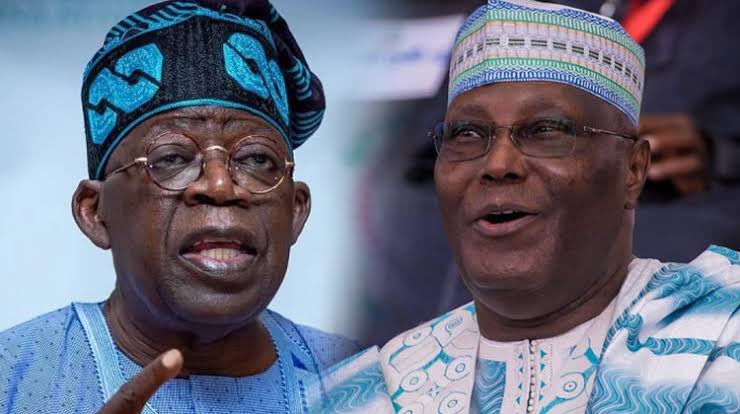
In a scathing critique of President Bola Tinubu’s fiscal policies, former Vice President and 2023 presidential candidate, Alhaji Atiku Abubakar, took to his official X handle to sound the alarm on the impending Value-Added Tax (VAT) increase. He described the decision to raise the VAT from 7.5% to 10% as “a blazing inferno that will consume the very essence of our people.”
Atiku’s comments come in the wake of NNPCL’s announcement of yet another hike in PMS pump prices, further compounding the strain on Nigerians already grappling with a cost-of-living crisis. According to him, these moves expose the administration’s drift towards regressive and punitive economic policies.
“President Tinubu and his coterie of advisers,” Atiku wrote, “have yet again resorted to their familiar tactic: piling hardship on the poor while turning a blind eye to their own extravagances.” He referenced the opulent renovations of presidential villas and the acquisition of new jets and luxury vehicles for Tinubu and his family as symbolic of the administration’s “profound insensitivity” to the plight of everyday Nigerians.
Atiku painted a bleak picture of the economic consequences of Tinubu’s policies, warning that the VAT hike, coupled with rising taxes and interest rates, would deepen Nigeria’s economic woes. “One need not be an economist to grasp the ominous implications,” he said. He argued that the policies were stifling businesses, forcing mass layoffs, and exacerbating poverty across the country.
The manufacturing sector, a key driver of employment and GDP growth, has borne the brunt of the administration’s fiscal missteps. Since Tinubu took office, the sector’s contribution to Nigeria’s GDP has reportedly shrunk by over 20%, according to the National Bureau of Statistics (NBS). Atiku believes this decline is only the beginning if the government continues down this path.
Atiku also turned his attention to Tinubu’s latest agricultural policy, which he criticized as poorly conceived and damaging to Nigeria’s long-term food security. In early August, the administration introduced a policy allowing duty-free importation of agricultural products such as wheat, maize, and paddy, much to the dismay of local farmers and agricultural groups. Atiku warned that this move undermines local production and leaves Nigerian farmers unable to compete with cheaper imports from Asia, Europe, and America.
“This ill-advised policy jeopardizes the livelihoods of millions of Nigerian farmers and threatens the nation’s goal of achieving food security,” he said. “Rather than generating jobs and wealth, this will lead to more unemployment and poverty in a sector crucial to our nation’s sustainability and development.”
In his final remarks, Atiku urged President Tinubu and his administration to rethink their approach. He emphasized that instead of exacerbating the economic crisis with unsustainable measures, the government should focus on crafting policies that offer long-term solutions to Nigeria’s structural economic problems.
“At this critical juncture, the government must pivot away from short-sighted, reactionary policies. The path we are on is destined to ignite further turmoil, and the poor will bear the brunt of it,” Atiku warned.
As Nigeria continues to navigate through this turbulent period, Atiku’s words serve as a reminder that the stakes are higher than ever, and the decisions made now will shape the country’s future for generations to come.
 PIONEER NEWS