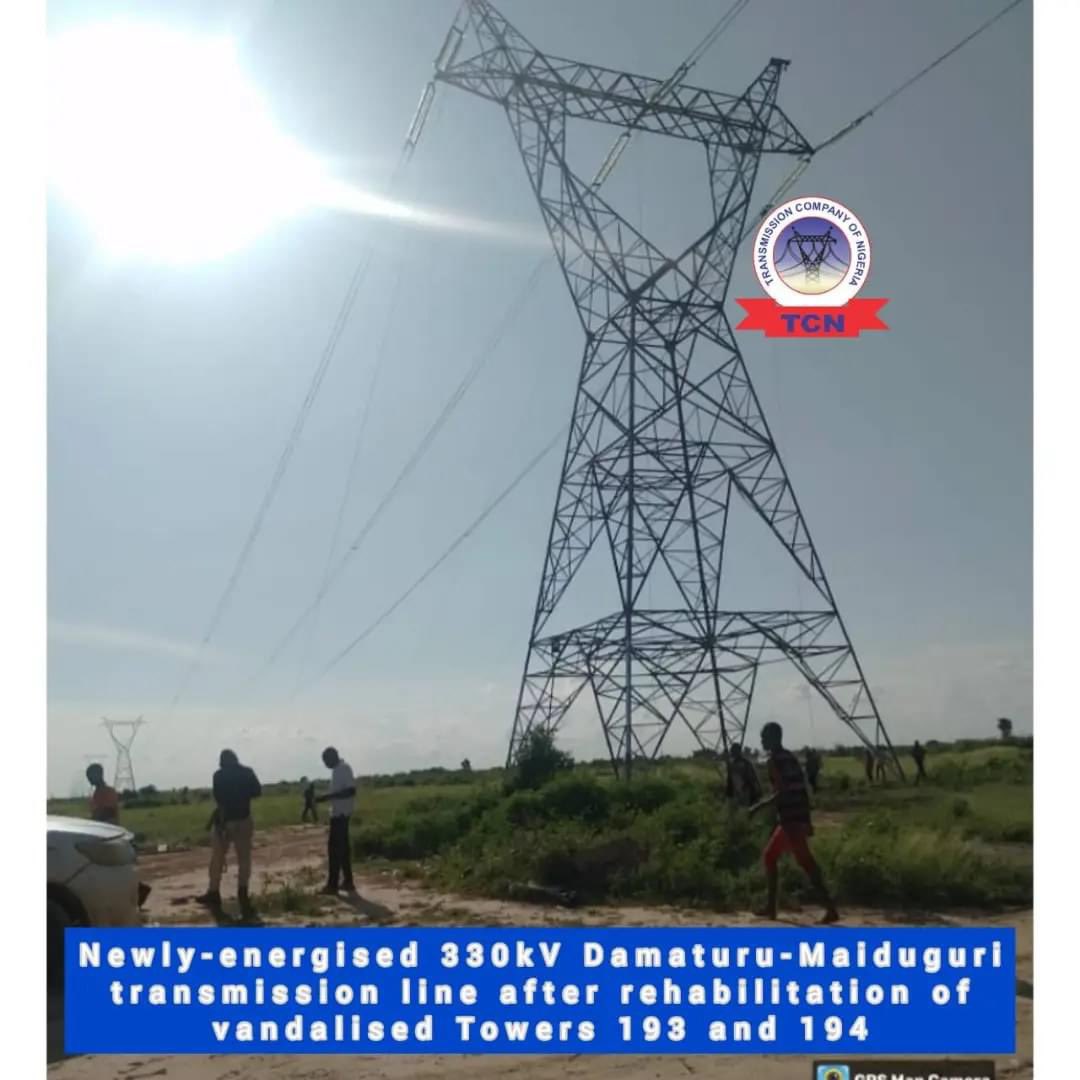
Renowned security analyst and counterinsurgency expert, Zagazola Makama, has issued a stern rebuke to the Transmission Company of Nigeria (TCN) following its recent announcement of successfully restoring bulk power supply through the Damaturu-Maiduguri 330kV transmission line. Taking to his official X (formerly Twitter) handle, Makama condemned the announcement as not only unprofessional but dangerously counterproductive, effectively inviting terrorist groups like Boko Haram to target the facility once again.
“This information is not only counterproductive but also a direct announcement to the terrorists to come back and destroy the facility,” Makama stated, highlighting the grave security implications of such a public declaration. He pointed out that Boko Haram has a history of targeting infrastructure, and publicizing the restoration of power in a region that has been under threat only serves to draw unwanted attention.
Makama’s critique goes beyond the immediate risks, addressing a broader issue of communication failures within TCN. He expressed deep concern that despite repeated lessons from past mistakes, the company’s communication handlers continue to exhibit a lack of crisis communication skills. “The problem is that they still don’t learn from past mistakes. How will you be announcing the restoration of power when you know Boko Haram will come and destroy it?” he questioned, underscoring the persistent lack of strategic thinking in managing such sensitive information.
The expert’s condemnation is a stark reminder of the delicate balance between transparency and security in conflict zones. While the restoration of power is a significant achievement, broadcasting it in a manner that could compromise the safety of the infrastructure and the people it serves reflects a troubling disregard for the realities on the ground.
As the situation unfolds, there are growing calls for the TCN to reassess its communication strategies, particularly in areas vulnerable to terrorist activity. Makama’s warning serves as a crucial wake-up call, urging the authorities to prioritize the security of vital infrastructure over the need for public relations victories.
The conversation around this issue continues to gain traction, with many advocating for a more discreet and security-conscious approach to such announcements in the future. Whether TCN will heed these warnings and adapt its communication strategy remains to be seen, but the stakes could not be higher in a region where every decision can have life-or-death consequences.
 PIONEER NEWS