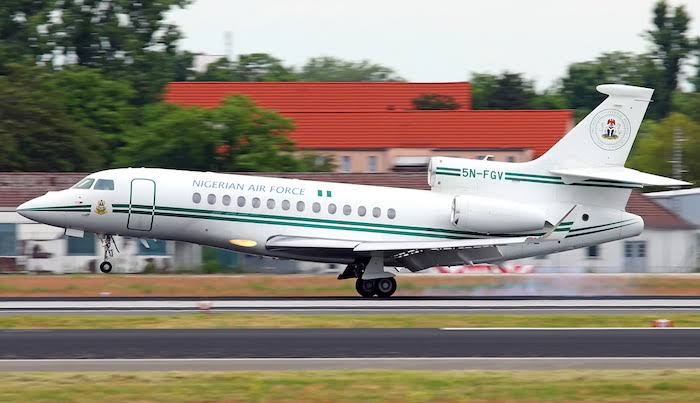
The recent acquisition of a new presidential jet by President Bola Tinubu has sparked widespread outrage across Nigeria, coming at a time when the nation is grappling with one of its most severe economic downturns in decades. The purchase, perceived by many as a tone-deaf move, has intensified the frustration of citizens who are already burdened by rising inflation, unemployment, and dwindling living standards.
Critics have been quick to lambast the decision, arguing that it demonstrates a disconnect between the leadership and the suffering populace. The timing of the acquisition is particularly galling to many, as it coincides with deepening economic hardship that has left millions of Nigerians struggling to make ends meet.
Moreover, there is growing discontent with the National Assembly, which many Nigerians now view as a mere extension of the presidency. Allegations that the purchase was made without the necessary consultation and approval from lawmakers have further fueled accusations that the National Assembly is merely rubber-stamping the president’s decisions. This has led to increasing skepticism about the independence and effectiveness of the legislative arm, with critics branding its members as “Tinubu’s puppets.”
As public anger continues to mount, many are calling for greater accountability and transparency from the Tinubu administration. The controversy over the presidential jet is seen by some as a litmus test for the president’s commitment to governance that truly reflects the will and needs of the Nigerian people. The question remains: will this incident serve as a wake-up call for the government, or will it further entrench the disillusionment and distrust that many Nigerians now feel toward their leaders?
 PIONEER NEWS