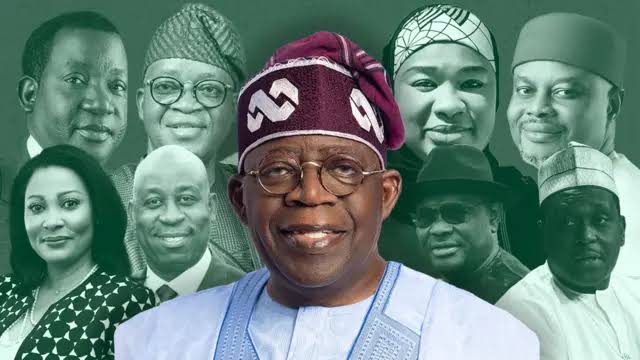
In the tapestry of Nigeria’s tumultuous political landscape, the words of Usman Danfodio resonate with haunting clarity. Danfodio, a revered scholar and founder of the Sokoto Caliphate, once asserted, “The death of a thousand good men is not as tragic as having an unfit man in a position of national leadership.” This profound statement, steeped in historical wisdom, starkly contrasts with the contemporary leadership challenges plaguing Nigeria today.
Nigeria, a nation endowed with vast resources and a diverse population, finds itself at a crossroads. The country grapples with multifaceted issues ranging from endemic corruption and economic instability to escalating insecurity and social disintegration. The current leadership’s inability to address these challenges effectively has led many to question whether the nation’s helm is occupied by “unfit” leaders, as Danfodio warned.
Corruption remains a significant blight on Nigeria’s progress. Despite various anti-corruption campaigns and the establishment of bodies like the Economic and Financial Crimes Commission (EFCC), the scourge persists. Leadership, often perceived as self-serving, has failed to instill a culture of transparency and accountability. This failure erodes public trust and hinders national development, echoing Danfodio’s fears of the consequences of unfit leadership.
Nigeria’s economy, the largest in Africa, is paradoxically characterized by vast wealth and widespread poverty. Mismanagement and lack of visionary economic policies have led to high unemployment rates, inflation, and a deteriorating standard of living. The gap between the rich and the poor widens, with the leadership seemingly out of touch with the plight of ordinary Nigerians. This economic misfortune highlights the tragic outcomes of leadership inadequacies.
Insecurity has reached unprecedented levels, with insurgency, banditry, and kidnappings becoming daily realities. The government’s response has often been reactive rather than proactive, leading to questions about the competence and preparedness of those in power. The inability to secure lives and property not only undermines national stability but also exemplifies the dangers Danfodio associated with unfit leadership.
Usman Danfodio’s assertion serves as a timeless reminder of the catastrophic impact of inadequate leadership. It calls for introspection and a re-evaluation of the qualities and competencies required for national leadership. As Nigeria navigates its myriad challenges, the wisdom of the past offers a beacon of guidance for the future.
The leadership crisis in Nigeria today starkly contrasts with the ideals espoused by Usman Danfodio. His assertion that unfit leadership is more tragic than the loss of a thousand good men underscores the urgent need for capable, visionary, and ethical leaders. As the nation stands on the precipice of change, embracing this wisdom could pave the way for a brighter, more prosperous Nigeria.
 PIONEER NEWS