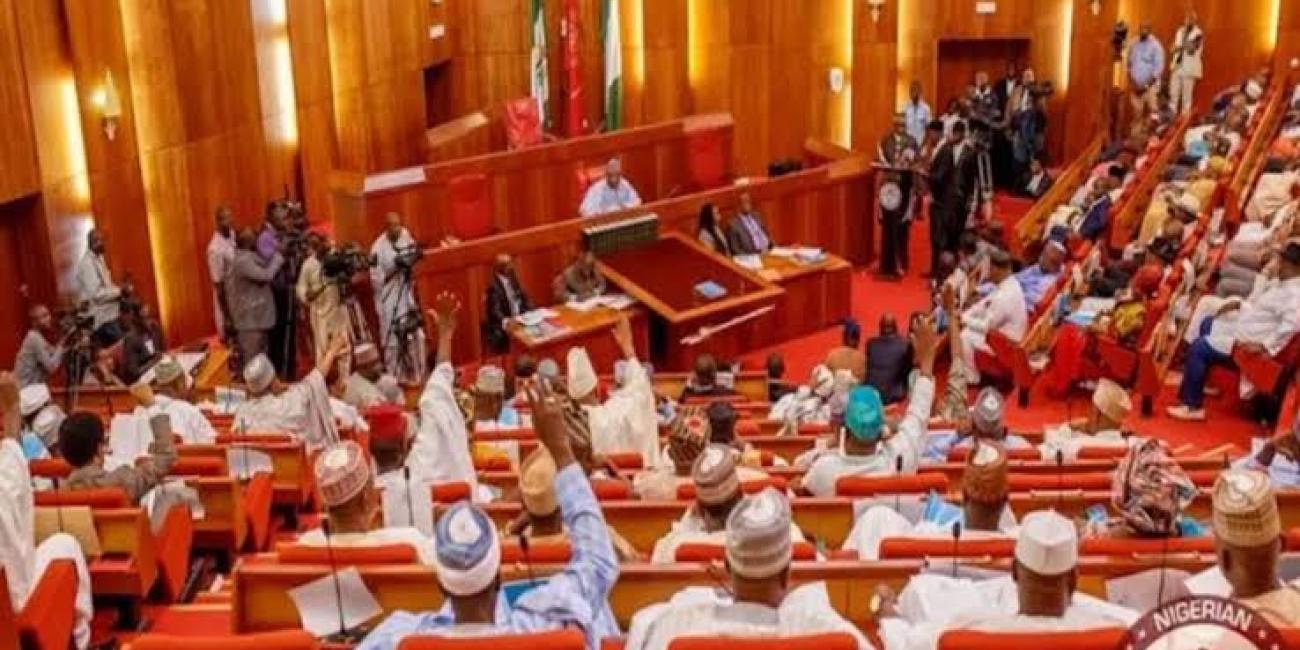
In a historic and decisive move, the Nigerian Senate has officially passed the newly amended National Minimum Wage Act, setting a new minimum wage of N70,000. The bill, which was transmitted by President Bola Tinubu, swiftly scaled through its first, second, and third readings within minutes, showcasing an unprecedented urgency and unity in the upper chamber.
The passage of the National Minimum Wage Bill was marked by an unanimous vote after thorough clause-by-clause consideration in the Committee of the Whole. This swift legislative action underscores the Senate’s commitment to improving the living standards of Nigerian workers.
President Tinubu had previously sent the National Minimum Wage Bill to the National Assembly, urging for its expedited consideration and passage. In his correspondence with both the Senate and the House of Representatives, the President called for an amendment to the National Minimum Wage Act of 2019, proposing an increase from N30,000 to N70,000. Additionally, he recommended reducing the interval for periodic reviews of the national minimum wage from five years to three years to ensure timely adjustments in response to economic realities.
This legislative triumph follows a series of intense negotiations between the Nigerian government and the leadership of the Organised Labour. The agreement on the new minimum wage of N70,000 came after prolonged disputes and strike actions orchestrated by the Nigerian Labour Congress (NLC).
With the enactment of this law, Nigerian workers can look forward to a significant improvement in their wages, reflecting the government’s recognition of their invaluable contributions to the nation’s development. The reduction in the review period also promises more responsive and dynamic adjustments to the minimum wage, aligning with economic changes and the cost of living.
 PIONEER NEWS