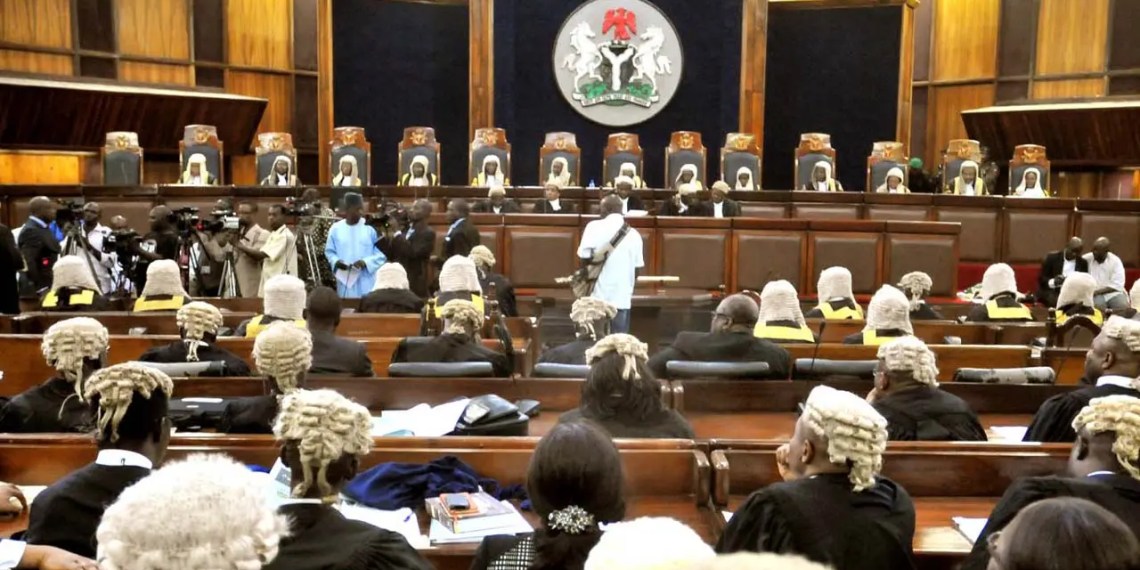
In a landmark decision, the Supreme Court has granted financial autonomy to local governments, a move hailed as a significant step towards grassroots empowerment. This ruling arrives amidst state governors conducting local council elections across the country, raising questions about the practical implications of this newfound autonomy.
Despite the legal provision for financial independence, the reality on the ground paints a more complex picture. The local government chairmen, elected under the influence of state governors, face a challenging dichotomy. On one hand, they are empowered with control over their funds; on the other, their political allegiance to the governors who facilitated their election may undermine this autonomy.
The core issue lies in the intricate web of political dynamics. The elected local government leaders, owing their positions to the state governors, are likely to remain answerable to them. This political dependency casts a shadow over the effectiveness of financial independence, raising concerns about the genuine operational freedom of local councils.
While the Supreme Court’s decision is a commendable stride towards decentralization, the journey towards true local government autonomy is far from complete. The interplay of political loyalty and financial control suggests that, despite the legal framework, local governments may still operate under the influence of state executives.
This scenario underscores the need for robust mechanisms to ensure that financial autonomy translates into genuine independence, enabling local governments to function effectively and serve their constituencies without undue interference. The path to achieving this remains fraught with challenges, but the Supreme Court’s ruling is a crucial step in the right direction.
As the nation watches how this autonomy unfolds, it remains to be seen whether local government chairmen will harness their financial power independently or continue to navigate the intricate balance of political allegiance and administrative duty.
 PIONEER NEWS