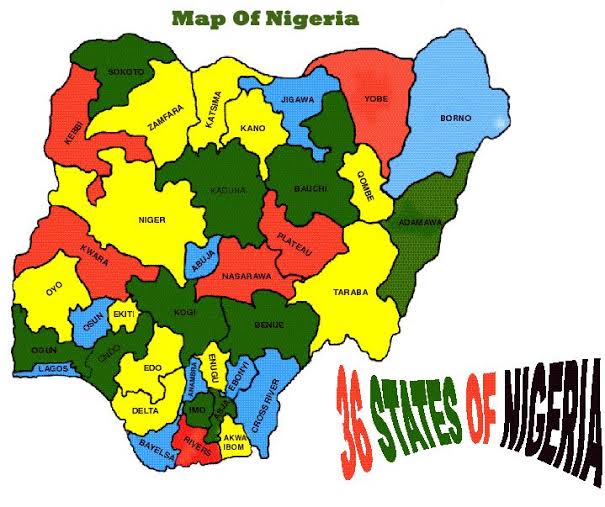
Nigeria has long been a beacon of hope for many African countries, playing a pivotal role in helping some gain independence and mediating in civil disputes. Once seen as the continent’s potential unifier and powerhouse akin to the United States or China, Nigeria’s trajectory in the past decade has taken a troubling turn. The country’s promising future is now clouded by myriad challenges that mirror the broader struggles of the African continent. Below is an analysis of these issues.
The Legacy of Colonial Institutions
One fundamental issue lies in how Nigeria achieved independence. The institutions inherited from colonial powers were never fully decolonized. Instead, it appears there was a tacit agreement between the colonial masters and the so-called freedom fighters, resulting in the replacement of white colonial rulers with black Africans who perpetuated colonial legacies. A glaring example is the police force, which, during colonial times, served to protect colonial elites. Today, the Nigerian police continue to serve the interests of a new class of elites, safeguarding their power rather than protecting the public.
The Elite’s Enduring Colonial Mindset
During the colonial era, African elites considered Europe their true home, seeking medical treatment and enjoying luxuries there while exploiting African resources. Today’s elites exhibit similar behavior, perpetuating a system that values foreign over local development. Educational systems were designed to idolize colonial masters as saviors, a narrative that still lingers, fostering a sense of indebtedness rather than empowerment.
Religion was also manipulated to pacify the masses and prevent uprisings. Traditional rulers who resisted colonial powers were dethroned, a tactic still used today against those who challenge the central authority in Abuja. The unknown faces in Abuja, in collusion with local rulers, continue to manipulate and exploit the populace, maintaining the colonial structure under a new guise.
The Futility of Division
Calls to divide Nigeria reflect the disillusionment with the dream of a united African superstate. However, dividing the country would only shift control to the same elites based in London, America, and Abuja. The examples of South Sudan and Sudan, which have not seen significant improvement post-division, underscore the ineffectiveness of such a solution. Many African nations have fragmented since independence, yet the same bourgeois elites continue to dominate, undermining true freedom and development.
The Dual Colonial Burden in Northern Nigeria
Northern Nigeria faces a unique challenge, having been colonized twice: first by the Sokoto Caliphate through an Islamic revolution, and then by the British. This dual colonial legacy complicates the region’s dynamics, as the northern population operates under both Islamic and British influences. In contrast, southern Nigeria contends with a single colonial legacy and has cultural traditions to fall back on when disillusioned with British colonial remnants.
Prospects for a United Nigeria
Given these deep-seated issues, can Nigeria’s north and south ever unite to form a peaceful, prosperous nation? The interplay of internal forces—religious groups, political elites, and colonial legacies—presents a formidable challenge. However, understanding these forces is crucial to envisioning and forging a future where Nigeria, and by extension Africa, can fulfill its long-awaited promise of unity and progress.
In conclusion, Nigeria’s struggle reflects the broader African experience, with the post-colonial journey marred by internal and external forces that hinder genuine progress. The path forward requires a radical rethinking of inherited institutions and a collective effort to dismantle enduring colonial structures, paving the way for a truly independent and united continent.
 PIONEER NEWS