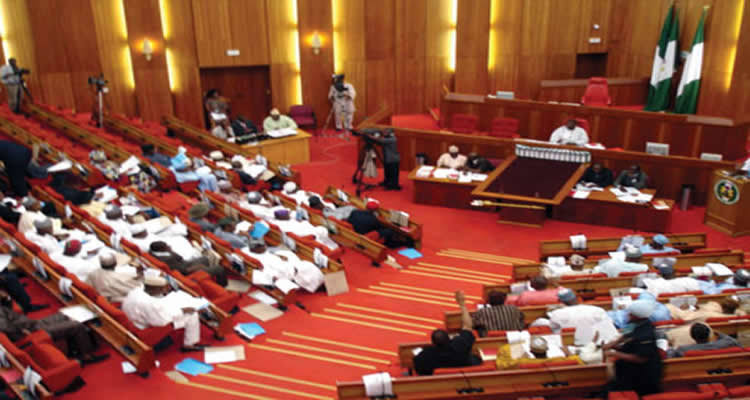
In recent times, federal lawmakers have continued to push for the enactment of laws, to mandate political parties in the country, and to conduct direct primary elections. However, their move has been strongly opposed by governors. It should be noted that it is through the primary election that a party’s flag-bearer for the main election emerges. For a while now, many parties have relied on a college system which allows only a few delegates to vote.The method has recently been criticized, as it does not allow some registered party members to participate in the process of nominating their flag-bearer for the main election. With lawmakers likely going to have their ways, we may begin to take a critical look at how the move could affect the chances of the second term ambition of some state governors, or the dream of having their anointed candidate succeed them in office.
Direct primary elections could stop the second term ambition of some state governors due to their level of popularity with their party members. For instance, a lingering leadership crisis within some states’ chapter of the All Progressives Congress (APC), saw the party not long ago, conduct a parallel congress in some states. Most of this happened in a state where there is a power tussle between the Governor, and notable members of the party. Arguably, if some of these issues are not rectified on time, it could render the party’s primaries invalid, and deny it the opportunity to contest the 2023 election, or be disqualified after the election.Equally, if every registered member of a political party is allowed to vote in party primaries, it would be more difficult for some governors, particularly those that are no longer popular with the people, to secure their second term nomination. The indirect primary undoubtedly makes it easier for sitting governors to lobby eligible voters. However, with direct primaries, many party members could take advantage of that to back another candidate who why believe will be more favourable to them.

 PIONEER NEWS